
Top 10 Real-World Applications of AI in 2026
Artificial Intelligence( AI) has evolved from a futuristic conception into a practical technology that influences nearly every part of ultramodern life. By 2026, AI is no longer limited to exploration labs or technology companies. It has come deeply integrated into diligence similar as healthcare, finance, education, transportation, husbandry, and entertainment. Businesses and individualities calculate on AI- powered systems daily to break problems, ameliorate effectiveness, and produce better gests .
AI refers to computer systems designed to perform tasks that generally bear mortal intelligence, similar as literacy, logic, feting patterns, and making opinions. Through technologies like machine literacy, deep literacy, natural language processing, and computer vision, AI systems can dissect large volumes of data and induce perceptivity important faster than humans.
The growing availability of data, advancements in calculating power, and bettered algorithms have accelerated the relinquishment of AI worldwide. In 2026, AI is no longer voluntary for associations that want to remain competitive it has come essential.
This composition explores the top 10 real- world operations of AI in 2026 and how they’re transubstantiating diligence and everyday life.
1. AI in Healthcare and Medical opinion
One of the most poignant operations of AI in 2026 is in healthcare. AI technologies are helping croakers
diagnose conditions before, epitomize treatments, and ameliorate patient issues.
AI- powered medical imaging systems can dissectX-rays, CT reviews, and MRI images with remarkable delicacy. These systems are trained on thousands or indeed millions of medical images, enabling them to descry patterns that might be delicate for mortal croakers
to notice.
For illustration, AI can help in relating early signs of conditions similar as cancer, heart complaint, and neurological diseases. Beforehand discovery frequently leads to further effective treatment and advanced survival rates.
AI is also used in prophetic healthcare. By assaying patient data, including medical history, genetics, and life factors, AI systems can prognosticate implicit health pitfalls before symptoms appear. This allows croakers
to take preventative measures and give visionary care.
also, AI- powered chatbots and virtual health sidekicks are perfecting access to healthcare services. These systems can answer medical questions, schedule movables , and companion cases through introductory health assessments.
In hospitals, AI helps manage executive tasks, optimize staff scheduling, and cover patient conditions in real time. As a result, healthcare professionals can concentrate more on patient care rather than paperwork.
2. AI in Autonomous Vehicles and Transportation
Transportation has endured significant metamorphosis due to artificial intelligence. In 2026, AI plays a central part in making trip safer, more effective, and more accessible.
tone- driving buses , also known as independent vehicles, calculate on AI systems that combine computer vision, detectors, radar, and machine literacy algorithms. These systems allow vehicles to fete road signs, descry obstacles, cover business conditions, and make driving opinions.
While completely independent vehicles are still evolving, numerous ultramodern buses formerly include AI- powered features similar as adaptive voyage control, lane- keeping backing, automatic parking, and collision avoidance systems.
AI is also used in public transportation systems. Smart business operation platforms dissect real- time business data to optimize business lights, reduce traffic, and ameliorate road safety.
Lift- sharing services also calculate heavily on AI. Algorithms match passengers with motorists, prognosticate demand in different locales, and determine pricing stoutly.
As metropolises come more connected, AI- driven transportation systems are anticipated to reduce trip time, lower energy consumption, and minimize accidents.
3. AI inE-Commerce and individualized Shopping
Artificial intelligence has fully converted the online shopping experience. In 2026, AI helps businesses deliver individualized recommendations and ameliorate client satisfaction.
E-commerce platforms use AI algorithms to dissect browsing history, purchase geste
, and product preferences. Grounded on this data, AI recommends particulars that guests are more likely to buy.
These individualized recommendations increase deals while making shopping easier and further pleasurable for consumers.
AI also powers intelligent chatbots that help guests with product quests, order shadowing, and returns. These virtual sidekicks can handle thousands of inquiries contemporaneously, furnishing instant support without long waiting times.
Retailers also use AI for force operation and demand soothsaying. By assaying deals data and request trends, AI systems help businesses prognosticate which products will be popular and insure they maintain acceptable stock situations.
Some physical stores are also espousing AI technologies similar ascashier-less checkout systems and smart shelves that cover product vacuity.
4. AI in Finance and Fraud Detection
The fiscal assiduity is another sector where AI has come necessary. Banks, insurance companies, and fiscal institutions calculate on AI to dissect large volumes of fiscal data and descry suspicious conditioning.
AI- powered fraud discovery systems cover deals in real time and identify unusual patterns that may indicate fraudulent geste
. For illustration, if a credit card is suddenly used in a different country or for an surprisingly large purchase, AI systems can flag the sale and alert the account holder.
AI also assists with threat assessment and credit scoring. By assaying fiscal histories, spending geste
, and other data points, AI can estimate the creditworthiness of loan aspirants more directly.
In investment operation, AI- powered algorithms dissect request trends and profitable pointers to help investors make informed opinions.
numerous banks also use AI- driven chatbots to give client service, answer questions, and help with fiscal deals.
5. AI in Education and Personalized Learning
Education is witnessing a significant metamorphosis thanks to artificial intelligence. AI- powered literacy platforms give substantiated educational gests acclimatized to individual scholars.
Traditional classrooms frequently struggle to address the unique requirements of every pupil. AI systems dissect pupil performance, learning styles, and progress to acclimatize assignments consequently.
For illustration, if a pupil struggles with a particular conception, the system can give fresh practice exercises and explanations.However, the AI platform can introduce more advanced material, If a pupil learns snappily.
AI also helps preceptors track pupil performance and identify areas where fresh support may be demanded.
Language learning apps, online training platforms, and digital classrooms are decreasingly using AI to give interactive literacy gests .
also, AI tools help preceptors by automating tasks similar as grading assignments and organizing course accoutrements .
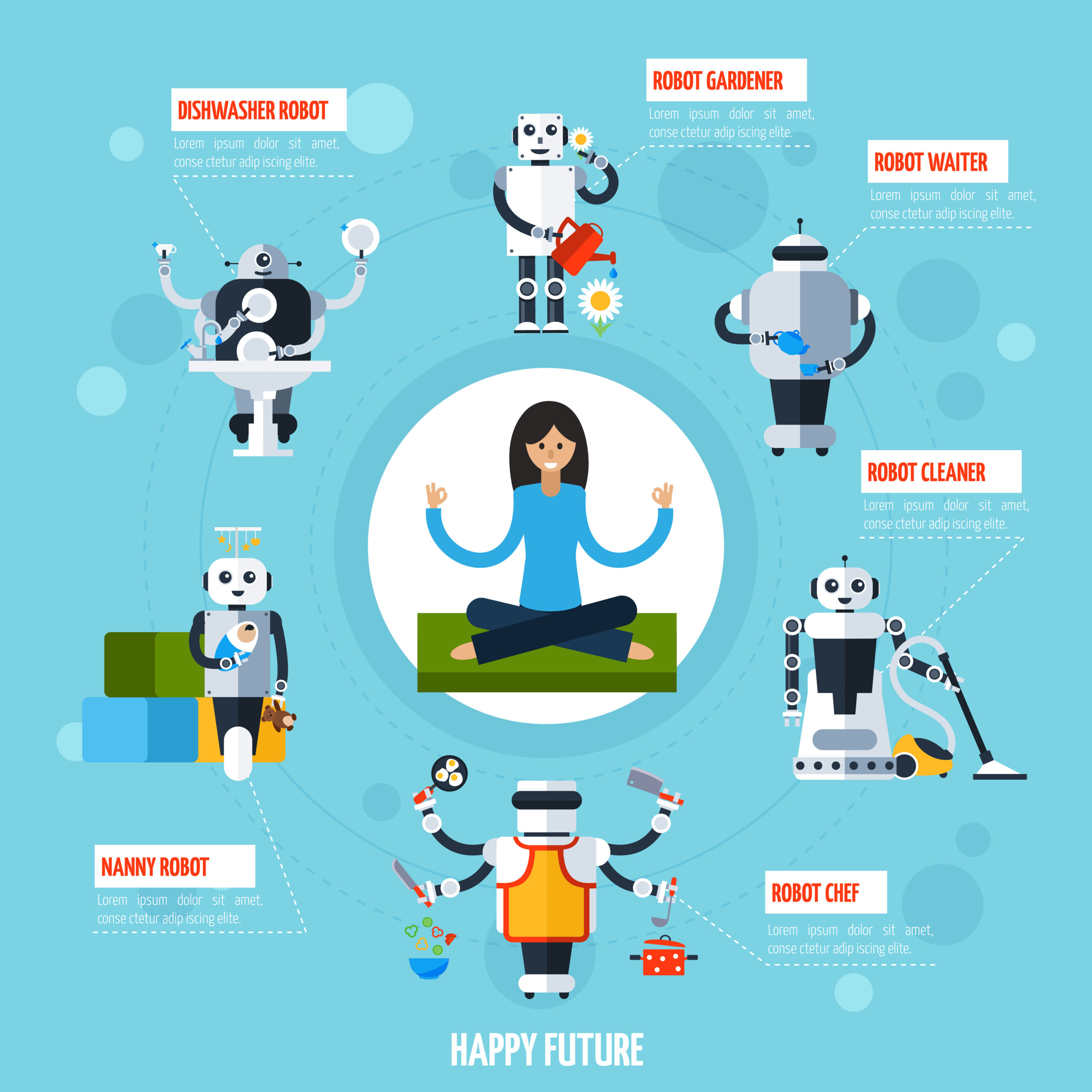
6. AI in Smart Homes and Home robotization
Smart homes have come more common in 2026, and artificial intelligence is the technology that powers numerous of these inventions.
AI- enabled smart home bias learn the habits and preferences of ménage members. For illustration, smart thermostats automatically acclimate temperature settings grounded on residency patterns and time of day.
Smart lighting systems can acclimate brilliance situations or turn lights on and out automatically.
Home security systems also calculate on AI. AI- powered cameras can fete familiar faces, descry unusual movements, and shoot cautions when suspicious exertion is detected.
Voice sidekicks serve as the central control system for numerous smart homes. druggies can control lights, appliances, entertainment systems, and security bias simply by speaking commands.
These technologies ameliorate convenience, enhance home security, and reduce energy consumption.
7. AI in Agriculture and Food Production
Agriculture has also served significantly from artificial intelligence. growers in 2026 use AI technologies to increase crop yields, reduce waste, and manage coffers more efficiently.
AI- powered drones and detectors cover crop health by assaying soil conditions, humidity situations, and factory growth patterns.
Computer vision systems can descry factory conditions or pest infestations beforehand, allowing growers to take corrective conduct before crops are oppressively affected.
AI is also used in perfection husbandry, where husbandry outfit applies diseases, fungicides, and water only where they’re demanded. This reduces environmental impact and lowers costs.
Prophetic analytics helps growers determine the stylish times to plant and gather crops grounded on rainfall patterns and literal data.
These technologies are helping address global food security challenges while promoting sustainable husbandry practices.
8. AI in client Service and Chatbots
client service has been revolutionized by AI- powered chatbots and virtual sidekicks.
Businesses use AI chatbots to give instant responses to client inquiries through websites, mobile apps, and messaging platforms.
These chatbots can answer constantly asked questions, companion guests through troubleshooting processes, and help with product recommendations.
Advanced AI systems use natural language processing to understand client intent and give mortal- suchlike responses.
In numerous cases, chatbots handle routine inquiries while complex issues are transferred to mortal agents.
This mongrel approach improves effectiveness while icing guests admit timely support.
9. AI in Cybersecurity
As cyber pitfalls come more sophisticated, artificial intelligence plays a pivotal part in guarding digital systems.
AI- powered cybersecurity tools cover network exertion and descry unusual geste
that may indicate cyberattacks.
These systems can identify malware, phishing attempts, and unauthorized access attempts in real time.
Unlike traditional security tools that calculate on predefined rules, AI systems continuously learn from new pitfalls and acclimatize their defenses consequently.
AI also helps associations dissect large quantities of security data snappily, enabling briskly responses to implicit breaches.
As digital structure continues to expand, AI- driven cybersecurity results will come decreasingly important.
10. AI in Entertainment and Media
Artificial intelligence has converted how people consume entertainment and media.
Streaming platforms use AI algorithms to recommend pictures, television shows, and music grounded on stoner preferences.
These systems dissect viewing history, conditions, and search geste
to suggest content that druggies are likely to enjoy.
AI is also used in content creation. Some tools can induce music, write scripts, edit vids, and produce visual goods.
In videotape games, AI improves gameplay by creating intelligentnon-player characters that respond stoutly to player conduct.
Media companies also use AI to dissect followership engagement and optimize content strategies.
The Future of AI operations
The operations of artificial intelligence are anticipated to continue expanding beyond 2026. As AI technology becomes more advanced, it’ll probably play an indeed lesser part in addressing global challenges.
unborn AI inventions may help develop new medical treatments, ameliorate climate modeling, optimize renewable energy systems, and enhance disaster vaticination.
AI could also contribute to smarter metropolises, where structure, transportation, and public services operate efficiently using real- time data.
still, as AI grows more important, it’s essential to address ethical enterprises related to data sequestration, bias, and responsible use.
Governments, associations, and experimenters must work together to insure AI technologies profit society as a whole.
Artificial intelligence has come one of the most influential technologies shaping the ultramodern world. By 2026, AI is deeply bedded in diligence ranging from healthcare and transportation to husbandry and entertainment.
The top real- world operations of AI demonstrate how intelligent systems are perfecting effectiveness, enhancing decision- timber, and creating individualized gests for druggies.
While challenges remain, the implicit benefits of AI are enormous. With responsible development and thoughtful perpetration, artificial intelligence can continue to drive invention and ameliorate quality of life across the globe.
As technology evolves, understanding AI and its operations will come decreasingly important for individualities, businesses, and society as a whole.